


Candy Crush Friends Saga
4.7152.28K Reviews
App Specs
- Version
- 5.5.2.0
- Updated On
- License
- Free
- Downloads
- 50,000,000+
- Developer
- King
- Categories
- Casual
- Platform
- Android
Screenshots
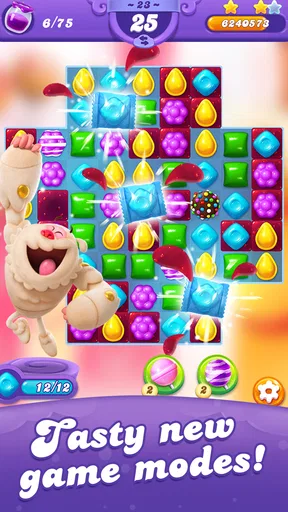
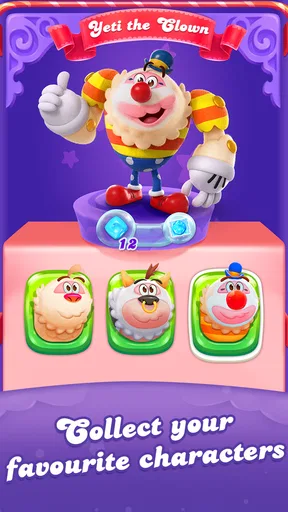
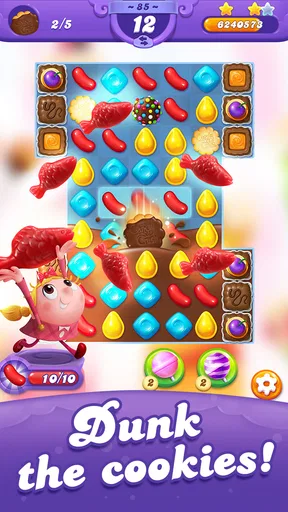
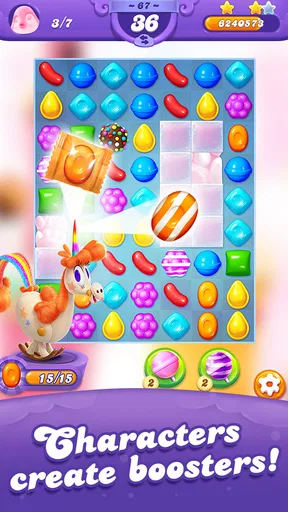
 Analysis by AppCompare
When it comes to mobile gaming, there’s a name that always seems to pop up: Candy Crush Friends Saga. If you’re like me, you probably thought the candy-crushing craze would have fizzled out by now. But here we are, and I just spent hours swiping away in this colorful, sugar-filled universe. So, what’s the deal with this latest installment? Let’s dive in.
Readability and navigation
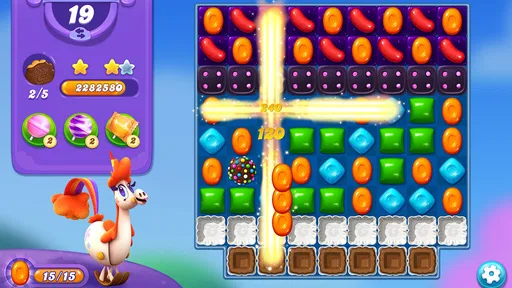
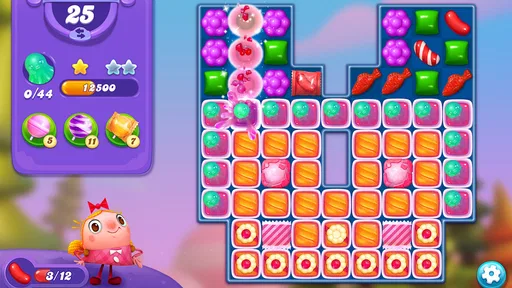
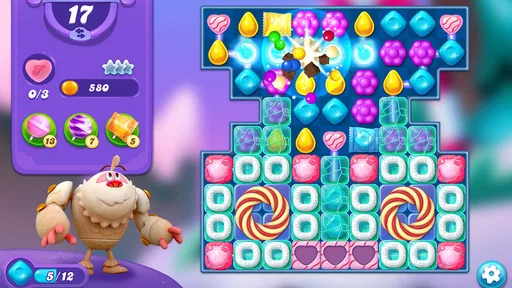
The board is easy to understand at a glance: candies are the focus, and the bright colors help distinguish the pieces you can move. That clarity is useful when I’m checking a puzzle quickly between other tasks rather than settling in for a long session. The characters and effects add charm, though they also make the screen visually busy when several things happen at once. I find it easiest to pause for a moment after a big cascade and scan the board again before choosing my next move.
The game is a casual puzzle from King, built around familiar match-three play with its own character abilities and changing level goals. Its 4.7 average from around two million ratings, alongside more than 50 million installs, suggests that this style has found a large audience. Those figures are context, not a promise that every player will enjoy it: if you prefer puzzles with quiet screens, minimal animation, or a single consistent objective, the presentation here may feel crowded.
Gameplay and Mechanics
At first glance, the game feels familiar, with its classic match-three puzzle mechanics. But then, it hits you with some refreshing twists. Now, you’ve got these adorable characters, or "Friends," who accompany you on your sugary quest. Each friend has a unique ability to assist in clearing levels, adding a layer of strategy that keeps things interesting.
The controls are as smooth as ever. Just swipe those candies around, match them up, and voila! The combos are super satisfying, especially when you see a whole bunch of candies explode in a rainbow of colors. It’s like a mini fireworks show in your hands.
Motor and sensory considerations
Most turns ask for a deliberate swipe, so the basic interaction is simple to learn. Still, a player who finds precise touch gestures tiring or difficult may want to try a short session first and see how the board responds on their device. I wouldn’t assume that every move will feel equally comfortable for everyone; the game’s quick animations and cascades can make it harder to track what changed if visual motion is distracting or tiring.
Sound is part of the feedback, but it isn’t essential to understanding the basic goal of a level. If the repeated pops or cheerful music become distracting, lowering the device’s volume is an easy way to make a session calmer. I also recommend taking a beat after a chain reaction instead of swiping immediately. It gives the board time to settle and makes it easier to judge whether a move helped with the actual objective or merely created a satisfying burst.
Worth Reading Before You Choose

EA SPORTS FC Mobile 26 Is a Bigger Football Game, but It Takes Time

Flipboard Shows What News Apps Must Do Beyond the Feed

Switching to Android Auto Means Rethinking Your Driving Routine

Google Calendar Makes a Crowded Week Easier to Manage

Ludo King Makes the Most of the Minutes Between Plans

Baby Panda World Brings Quick Play to Modern Phones, but Its Game Library Feels Busy
Graphics and Sound
Visually, the game is a treat. The graphics are bright, vibrant, and polished to perfection. The animations are slick, making each move feel impactful. It’s hard not to get lost in the colorful candy world they’ve crafted here.
The sound design is equally delightful. The little "pop" sounds when you match candies are oddly satisfying. And the background music? It’s cheerful and catchy enough to keep you in a good mood, even when you’re stuck on a tricky level.
Situational access and everyday play
This works well for the kind of small break where I have a few minutes, want a clear goal, and can put the phone down when something else needs attention. For example, I might play a level while waiting for a kettle to boil, then stop once it is ready rather than letting “one more try” take over the rest of the break. The discrete puzzle format makes that kind of use natural, although a difficult stage can tempt you into extending the session.
It is also a better fit for a quiet, stationary moment than for playing while walking, crossing a street, or trying to follow a conversation. The animated board and changing objectives reward attention, and a distracted swipe can waste a useful move. If you are sharing a room with someone who needs quiet, the visual effects still remain, so reducing sound alone may not make the game a good fit for every setting.
Compared with simpler match-three games that keep one objective throughout, this one asks you to adapt to different targets and make use of a Friend’s ability. That gives it more variety, but it also means a player looking for a nearly automatic, low-attention pastime may prefer a quieter or more predictable puzzle. I’d choose this when I want colorful feedback and changing challenges, not when I need an unobtrusive game in the background.
Levels and Challenges
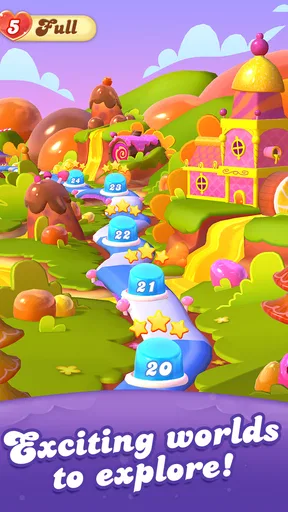
With hundreds of levels, you’re not going to run out of challenges anytime soon. The game cleverly introduces new elements as you progress, like cookies that need to be dunked into chocolate or octopuses that need freeing. It keeps you on your toes, ensuring the game doesn’t get stale.
And let’s not forget the events and rewards. Participating in these can earn you some sweet bonuses. It’s always nice to have those extra boosts when a level gets particularly tricky.
A useful habit is to read the objective before making the first match. A move that clears a lot of candy can look impressive but still leave the target untouched; I try to favor matches that advance the level’s goal, especially when the board offers several tempting options. The Friend ability is another reason to look ahead: rather than treating it as a bonus to trigger whenever possible, I consider which part of the board would benefit most and whether saving its effect for a later opening could be more useful.
When a level does not work out, I’d rather change my approach than repeat the same opening automatically. A different first move may expose a better path toward the objective, while a short break can help when I’m no longer noticing useful matches. This is a small but practical advantage of a turn-based puzzle: there is no need to rush through every decision, even if the effects make the game feel lively.
Who will enjoy it, and who may want another puzzle
I’d recommend it to players who like match-three puzzles but want more than identical boards and identical goals. The changing tasks give a reason to rethink a familiar move, and the Friends add a little planning without turning every level into a complicated strategy exercise. It can also suit someone who wants a light game to return to in short bursts, provided they are comfortable with colorful effects and the possibility of getting stuck on a stage.
On the other hand, I would skip it if you strongly dislike repeated attempts, prefer a calm visual style, or want a puzzle that never nudges you toward optional purchases. It is free to download, rated Everyone, and offers in-app purchases ranging from $0.99 to $99.99 per item. That range makes it sensible to decide your spending boundary before playing; you can enjoy the core puzzle without buying anything, but patience may be needed when progress slows. If you want a purely logic-driven challenge with no candy cascades or character presentation, a traditional number or word puzzle is likely a better match.
In-App Purchases
Like many mobile games, this one offers in-app purchases. You can buy lives, boosters, and more. But, honestly, you can enjoy the game without spending a dime. Sure, it might take a bit longer to progress, but hey, patience is a virtue, right?
My practical advice is to treat a booster as a choice for a level you genuinely want to finish, not as the default response to every setback. If you are playing casually, stopping and returning later can be a more comfortable alternative to spending just to keep a session going. This also makes the game easier to fit around a budget: the purchase options exist, but they do not have to define how you play.
Remaining barriers and practical details
The main friction is not learning how to match candies; it is staying patient when a level’s target, board layout, and available moves do not line up as you hoped. The bright presentation can also be tiring for someone who is sensitive to frequent visual activity. I would try the game in a brief session before making it part of a daily routine, especially if animated effects or repeated sound cues are a concern. A comfortable device setup and a moment to focus on the board matter more here than playing quickly.
The game was released on October 10, 2018, and its current version is 4.21.2.0. It requires Android 6.0 or later, so Android users can check that requirement against their device before downloading. The listed age rating is Everyone, which is useful context for families, though I’d still consider whether the bright effects, play habits, and optional spending suit the person who will use it. The social features can add friendly motivation for people who enjoy comparing scores or exchanging lives, but they are not a reason to play if you would rather keep a puzzle session personal.
Social Features
The social aspect of the game is fun too. You can connect with friends, send lives, and even compete to see who can get the highest score. It adds a bit of friendly competition, which is always a good motivator to keep playing.
I see that layer as optional encouragement rather than the main attraction. If a friend is also playing, a shared score can make a familiar level feel more interesting; if not, the puzzle itself still provides the central activity. For players who prefer not to connect with others, it is reasonable to focus on the solo challenges instead of treating social comparison as a requirement.
Inclusive verdict
Overall, I find this a welcoming, easy-to-grasp puzzle for people who enjoy bright visuals, clear targets, and a little tactical choice. Its simple swipe-and-match foundation lowers the learning curve, while the Friends and varied objectives keep it from feeling like the same board over and over. At the same time, quick visual effects, repeated retries, and optional spending are real considerations rather than minor details. It is not the best fit for every ability or every setting, so I’d judge it by how comfortable the board feels during a short trial and whether its pace suits your breaks.
Final Thoughts
In the end, Candy Crush Friends Saga is a delightful addition to the franchise. It’s got that addictive gameplay we all know and love, with a few new twists to keep things fresh. Whether you’re a die-hard fan or a newcomer, it’s worth trying out. Just don’t blame me if you find yourself saying, "Just one more level," at 2 AM. Happy crushing!
Pros
- Engaging levels with vibrant graphics.
- Frequent updates with new challenges.
- Integrates well with social media.
- Easy to learn but challenging to master.
- No internet required for offline play.
Cons
- In-app purchases can be pricey.
- Lives system can limit playtime.
- Ads can be intrusive at times.
- High battery consumption on devices.
- Requires significant storage space.
FAQs for Candy Crush Friends Saga
What are the main differences between Candy Crush Friends Saga and the original Candy Crush game?
Candy Crush Friends Saga introduces a new level of engagement with its unique characters that accompany players on their journey. Each character has special abilities to help clear levels. The graphics are enhanced, offering a more vibrant and immersive experience. Additionally, there are new game modes and challenges that differentiate it from the original.
Is Candy Crush Friends Saga free to play, and are there any in-app purchases?
Candy Crush Friends Saga is free to download and play. However, it offers in-app purchases for items such as extra moves, lives, and boosters, which can enhance the gaming experience. While these purchases can make progress easier, they are not necessary to enjoy or complete the game.
Can I sync my progress across multiple devices in Candy Crush Friends Saga?
Yes, you can sync your progress across multiple devices by connecting the game to your Facebook account. This allows you to seamlessly continue your game from where you left off, regardless of the device you are using, as long as it is connected to the same Facebook account.
What kind of challenges or events can I expect in Candy Crush Friends Saga?
Candy Crush Friends Saga hosts various challenges and limited-time events that offer unique rewards and keep the gameplay exciting. These events often include themed levels and special tasks that encourage players to engage daily. Participating in these events can earn you boosters and other helpful items.
How often are new levels or updates added to Candy Crush Friends Saga?
The developers regularly update Candy Crush Friends Saga with new levels and features to keep the game fresh and engaging for players. Updates are typically released every few weeks, ensuring that there is always something new to explore and keep players entertained.


